
Lobster Season in Bermuda: A Guide to the Island’s Tastiest Tradition
Travel, Bermuda Seafood, Bermuda Lobster
Planning a trip to Bermuda and dreaming of cracking into sweet, local lobster?
You are in the right place!
This guide walks you through everything you need to know about Bermuda Lobster, the official Lobster Season, and how it all fits into the island’s wider love affair with fresh Bermuda Seafood.
What Makes Bermuda Lobster So Special?
When people talk about “Bermuda Lobster,” they are usually referring to the Caribbean spiny lobster, Panulirus argus. Unlike the clawed lobsters you might know from New England, Bermuda’s spiny lobsters have long antennae and no big claws. Their meat is mostly in the tail and legs, and it is famously sweet, firm, and perfect for grilling, broiling, or tossing into creamy pasta and chowders.
Part of the magic comes from the island itself. Bermuda sits alone in the North Atlantic, surrounded by coral reefs and the broader Sargasso Sea ecosystem. Those reefs and offshore banks provide habitat and food for spiny lobsters, which slowly grow in the clear, warm waters before they are legally big enough to harvest. The result is lobster that tastes like it came straight from a pristine underwater garden — because it did.
💡 Fun fact: Bermuda imports about 75% of its seafood, so when you see local Bermuda Lobster on the menu, it is genuinely special and carefully managed.
🗓️ When Is Lobster Season in Bermuda?
Bermuda takes lobster seriously, and that starts with a clearly defined Lobster Season. The island’s spiny lobster fishery is highly regulated to protect the population for the long term. According to Bermuda’s Fisheries Regulations, the closed season runs from April 1 through August 31 each year. During this time, harvesting lobsters is prohibited, whether you are a commercial fisher or a licensed recreational diver (gov.bm; fao.org).
That means the official Lobster Season in Bermuda opens on September 1 and continues through March 31 of the following year. For the 2026–27 season, for example, you can enjoy fresh Bermuda Lobster from September 1, 2026, until March 31, 2027, before the fishery closes again on April 1 for its annual break.
📌 Key takeaway: If you are visiting between September and March, you are in prime Lobster Season. From April through August, you will still find wonderful Bermuda Seafood, but local lobster will be off the menu to protect future stocks.
✅ How Bermuda Protects Its Lobster: Rules in Plain English
Behind every delicious plate of Bermuda Lobster is a long list of rules designed to keep the fishery healthy. You do not need to memorize the regulations to enjoy dinner, but understanding the basics gives you a deeper appreciation for what is on your plate — and helps you choose restaurants that do the right thing.
Size and Catch Limits
Minimum size: It is illegal to harvest or possess spiny lobsters with a carapace (the hard shell over the back) shorter than 92 mm (about 3.6 inches). This ensures lobsters have time to mature and reproduce before they are caught.
No egg-bearing females: Lobsters carrying eggs are strictly off-limits. Protecting breeding females is essential for keeping the population strong.
Recreational daily limit: Licensed recreational divers may take up to two lobsters per day. This modest limit helps spread the joy of Lobster Season without overharvesting.
Whole Lobsters Only and Reporting Requirements
Land them whole: All lobsters must be landed whole; tail-wringing at sea is not allowed. This makes it easier for enforcement officers to check sizes and ensure no undersized or egg-bearing lobsters slip through.
Catch reporting: Both commercial fishers and licensed divers must submit catch and effort statistics for each trip. The government has emphasized these reports in recent years to better track trends and respond to changes in the fishery.
💡 Why this matters for you: These rules mean that when you order Bermuda Lobster during Lobster Season, you are supporting a fishery that is actively managed for long-term sustainability.
🤿 Recreational Lobster Diving: For Residents Only
If you are picturing yourself donning a mask and fins to grab your own dinner, there is one important catch: recreational lobster diving licences are only available to Bermuda residents. For the 2026–27 Lobster Season, the government capped these licences at 175 divers, continuing a policy designed to limit pressure on the resource.
Residents apply online in August, with a tight application window and in‑person payment deadlines at the Department of Environment and Natural Resources. Licence holders must also submit catch statistics — even if they caught nothing — by the end of April to be eligible for relicensing. It is a detailed system, but it keeps the number of people taking Bermuda Lobster in check and provides valuable data for scientists and managers.
Visiting and still want in on the fun?
While you cannot dive for lobster yourself as a non-resident, you can absolutely book snorkeling or diving trips to see the same reefs where Bermuda Lobster live — then enjoy a locally caught lobster dinner back on shore.

🎣 Commercial Lobster Fishing: Balancing Plates and Preservation
On the commercial side, Bermuda’s lobster fishery is small but closely managed. In recent years, scientists noticed signs of stress in the stock, including lower catch-per-unit-effort — basically, fishers had to work harder to catch the same number of lobsters (gov.bm). In response, the government introduced tighter controls, including limits on the number of traps each licensed fisher can set and seasonal caps on total catch.
For example, in 2023 there were 22 licensed commercial lobster fishers, each allowed up to eight traps per licence and a seasonal limit of 600 lobsters. Traps were also restricted to offshore areas from September through November to give inshore stocks a break (gov.bm). While exact numbers may evolve, the big picture remains the same: Bermuda is willing to sacrifice short-term catch for long-term sustainability.
🦐 Bermuda Seafood Beyond Lobster: A Delicious Supporting Cast
Lobster Season might steal the spotlight, but Bermuda Seafood as a whole is having a moment. The island’s Blue Prosperity Plan and emerging Blue Economy Strategy are reshaping how people think about the ocean — not just as a source of food, but as a shared resource that needs careful stewardship.
In 2026, Bermuda reaffirmed its commitment to protecting 20% of its waters through marine spatial planning while keeping about 90% of the Bermuda Reef Platform open to fishing (gov.bm). At the same time, there is a push to diversify local seafood, including:
Encouraging the harvest of invasive lionfish, which are delicious but harmful to reef ecosystems if left unchecked.
Exploring aquaculture options, such as bivalve farming, to boost local production of Bermuda Seafood and reduce reliance on imports.
Promoting gear and practices that minimize bycatch and protect sensitive species in pelagic fisheries.
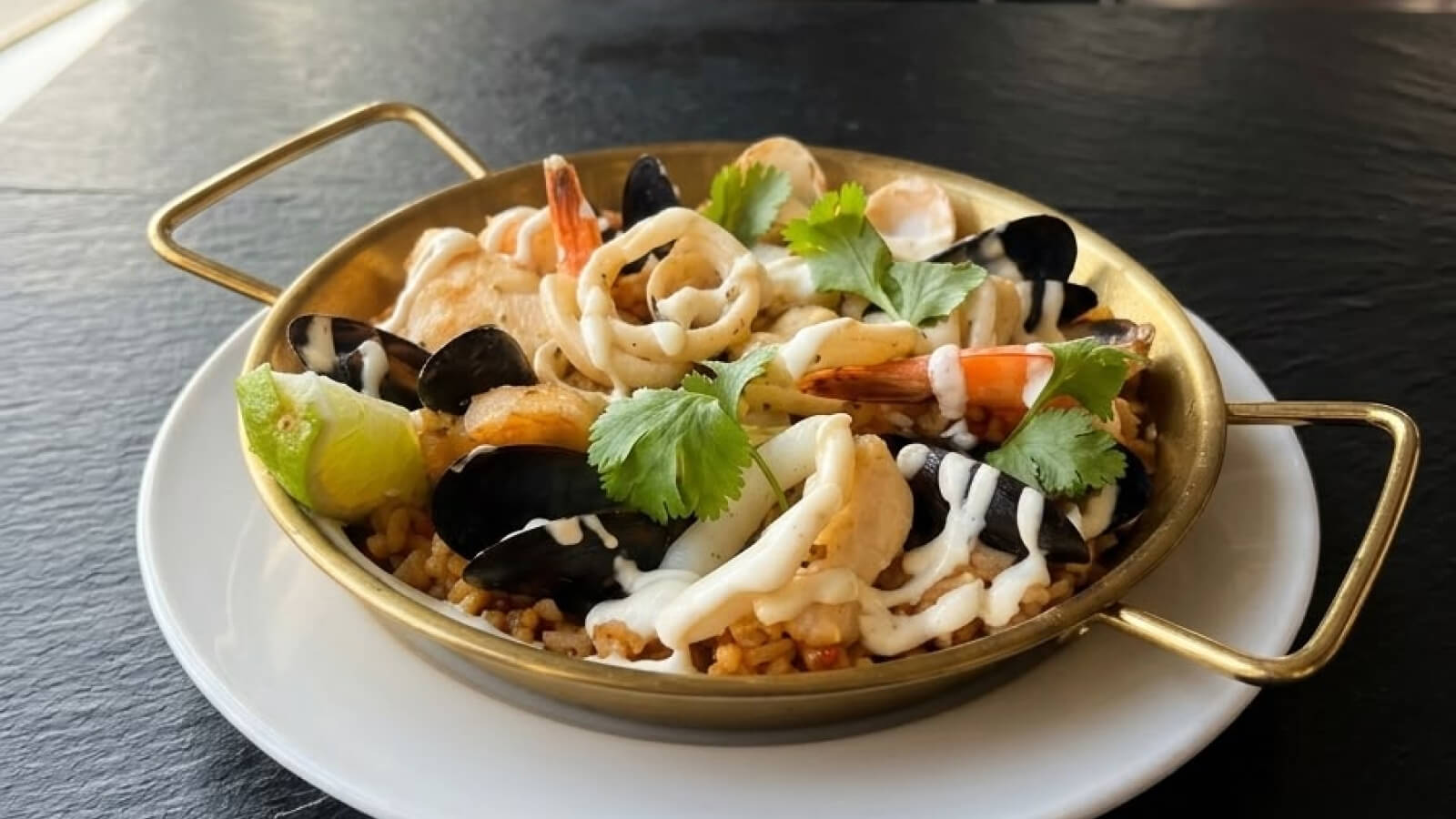
😋 How to Enjoy Bermuda Lobster Like a Local
Now for the fun part: how to actually enjoy Bermuda Lobster during Lobster Season. Whether you are a foodie traveler or just curious, there are plenty of ways to savor this local delicacy.
1. Order Seasonal Specials at Local Restaurants
Many of Bermuda’s top restaurants roll out special menus when Lobster Season opens in September. Look for dishes like:
Grilled Bermuda Lobster with herb butter and lemon
Lobster mac and cheese with a crispy topping
Lobster chowder or bisque, often made with local seafood stock
Lobster pasta with a light cream or tomato sauce
Do not be shy about asking your server whether the lobster is local and in season. A friendly question shows you care about sustainability, and staff are usually proud to talk about their Bermuda Lobster dishes when the season is in full swing.
2. Visit a Market or Fishmonger
If you are staying somewhere with a kitchen, consider buying fresh Bermuda Seafood straight from a local fishmonger. During Lobster Season, you may find live or freshly landed lobsters on ice, alongside local fish and sometimes lionfish. Cooking your own lobster — even if you keep it simple with butter, garlic, and a squeeze of lemon — can be a highlight of your trip.
3. Pair with Island Flavors
Bermuda Lobster shines with bright, fresh flavors. Think grilled corn, tropical salsas, citrusy salads, or even a side of traditional Bermuda fish chowder made with local fish. Pair your meal with a Dark ’n Stormy, a glass of chilled rosé, or a nonalcoholic ginger beer for a true island experience.
🍽 Pro tip: If you are visiting toward the start of Lobster Season in September or October, call ahead to ask if a restaurant has Bermuda Lobster on the menu that night. Supplies can vary depending on weather and catch.
📍 Where to Eat: Favorite Spots for Bermuda Lobster
When Lobster Season is in full swing, some restaurants become go‑to spots for locals and visitors craving fresh Bermuda Lobster. Two names that come up again and again are Wahoo’s Bistro & Patio in St. George’s and the White Horse Pub & Restaurant just a few steps away on the waterfront.
White Horse Pub & Restaurant (St. George’s): One of Bermuda’s oldest pubs, White Horse blends casual pub energy with a front‑row view of the water. In season, look for hearty lobster dishes on the menu, often alongside classic Bermudian fare and seafood platters. It is a great spot if you want to combine a relaxed drink, live‑music nights, and a plate of local lobster. Book a table here.
Wahoo’s Bistro & Patio (St. George’s): Overlooking the harbor, Wahoo’s is known for its relaxed, friendly vibe and menus that highlight local catches. During Lobster Season, you might find grilled Bermuda Lobster, lobster pasta, or specials that pair lobster with fresh fish. Ask about the day’s catch and enjoy your meal on the open‑air patio while boats drift by. Book a table here.
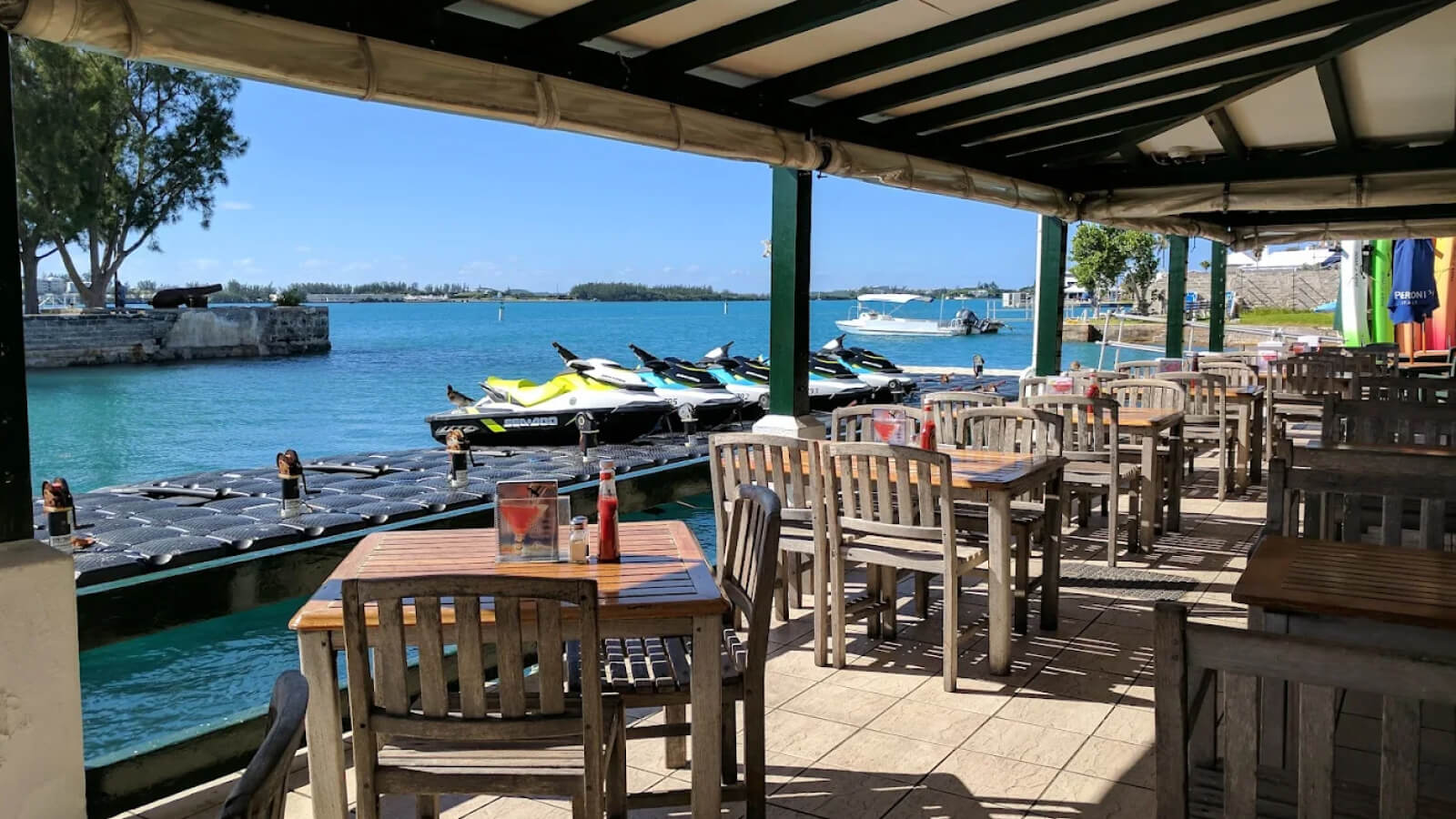
📍 Insider tip: Both Wahoo’s and White Horse can get busy on warm evenings and weekends, especially when Lobster Season first opens. Consider making a reservation and mentioning that you are hoping for Bermuda Lobster so staff can guide you to the best seasonal options.
🗺️ Planning Your Trip Around Lobster Season
If Bermuda Lobster is high on your wish list, timing your visit around Lobster Season is key. Here is a simple guide:
September–November: Early to mid-season. Waters are still warm, and the excitement of the season opening is in the air. Great for combining beach days with lobster dinners.
December–January: Cooler evenings, festive vibes, and plenty of hearty lobster dishes on menus. Think cozy dinners after days spent exploring historic St. George’s or Hamilton’s shops.
February–March: Late season. Still a good time for lobster, with fewer crowds. A nice window if you prefer a quieter, more relaxed visit.
Outside of September through March, you will still eat wonderfully well in Bermuda — just with a focus on other Bermuda Seafood such as local fish, imported specialties, and creative dishes that celebrate the island’s culinary talent.
🌊 The Bigger Picture: Sustainability, the Sargasso Sea, and Your Plate
One of the most inspiring things about enjoying Bermuda Lobster today is knowing how much thought goes into protecting the wider ecosystem. Bermuda is surrounded by the Sargasso Sea, a unique region that plays a huge role in carbon storage, migration routes, and the life cycles of many marine species. In 2026, a landmark report on the Sargasso Sea highlighted its importance for biodiversity and local fisheries (gov.bm).
At the same time, researchers are tracking how rising sea temperatures may shift spawning times and behavior for fish and other marine life (documents.un.org). That makes good data — including catch reports from lobster fishers — more important than ever. By choosing restaurants that respect Lobster Season and serve legal, sustainably caught seafood, you become part of this bigger story of ocean stewardship.
🌍 Small choices, big impact: Asking where your lobster comes from, respecting closed seasons, and celebrating a variety of Bermuda Seafood all help keep the island’s waters thriving for future generations.
🇧🇲 Final Thoughts: Savoring Lobster Season the Bermuda Way
Lobster Season in Bermuda is about more than what is on your plate. It is a months‑long celebration that connects local fishers, chefs, residents, and visitors to the rhythms of the sea. From the first traps set offshore in early September to the final legal catches in March, every Bermuda Lobster you enjoy represents years of growth in clear Atlantic waters and a web of thoughtful regulations designed to keep the fishery healthy.
If you visit between September and March, take full advantage of the season: try grilled lobster at a pastel‑painted beachside restaurant, sample creative lobster dishes in Hamilton, and explore markets where local Bermuda Seafood is proudly on display. If your trip falls during the closed season, lean into everything else the island offers — from fresh fish and lionfish specials to vibrant vegetarian and international options — knowing that the pause on lobster is what keeps the tradition alive.
However you choose to experience it, approaching Bermuda Lobster with curiosity and respect will make every bite taste that much better. After all, you are not just enjoying a meal — you are taking part in a living, evolving story of Bermuda’s ocean, its people, and its enduring love for the sea.


